


How to Choose the Right Heating Element For Bidet for Long-Term Reliability
Article Summary: Choosing the right Heating Element For Bidet is not just about heating water. It directly affects comfort, safety, energy efficiency, and the lifespan of the entire bidet system. In this in-depth guide, I will explain how a Heating Element For Bidet works, compare different technologies, highlight key selection criteria, and share practical tips based on real manufacturing and application experience. Whether you are a bidet brand, OEM buyer, or product designer, this article will help you make informed, long-term decisions.
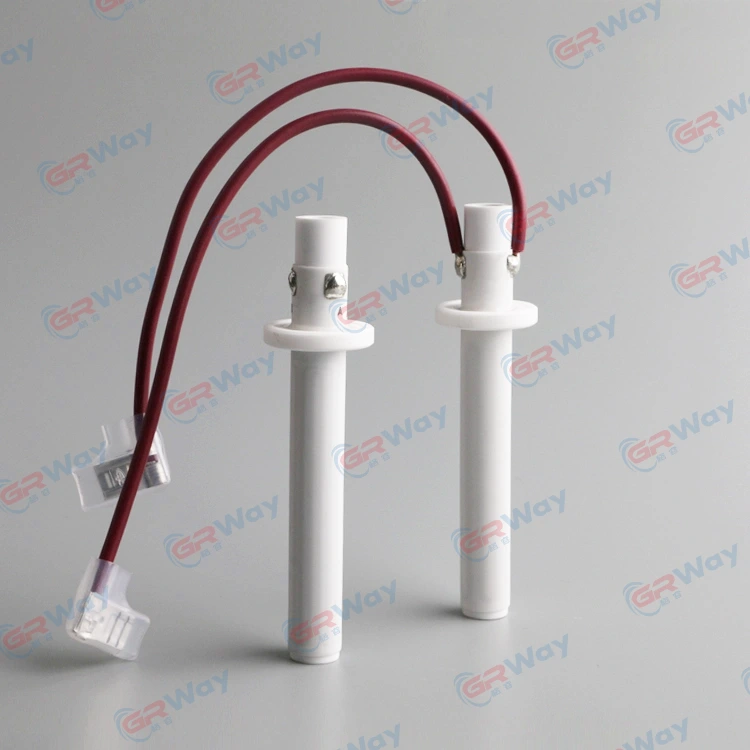
Table of Contents
- Understanding the Role of a Heating Element For Bidet
- How a Heating Element For Bidet Works
- Different Types of Heating Element For Bidet
- Key Factors When Choosing a Heating Element For Bidet
- Material Comparison and Performance Table
- Safety Standards and Compliance You Should Not Ignore
- OEM and Customization Considerations
- Common Mistakes Buyers Make
- Future Trends in Bidet Heating Technology
- Frequently Asked Questions
Understanding the Role of a Heating Element For Bidet
A Heating Element For Bidet is the core component responsible for delivering warm water instantly and consistently. From a user perspective, warm water equals comfort. From a manufacturer’s perspective, it means system stability, safety control, and long-term reliability.
In modern bidet seats, especially tankless designs, the Heating Element For Bidet must perform under high-frequency on/off cycles, variable water pressure, and strict electrical safety conditions. This is why choosing the right heating element is not optional—it is foundational.
How a Heating Element For Bidet Works
At its core, a Heating Element For Bidet converts electrical energy into thermal energy. When water flows through or around the element, heat is transferred rapidly to achieve a comfortable temperature, usually within seconds.
- Electric current passes through a resistive material
- The material heats up due to resistance
- Heat transfers to flowing water instantly
- Temperature sensors regulate output in real time
High-quality designs ensure uniform heating, avoid hotspots, and maintain stable temperature even with fluctuating inlet water temperatures.
Different Types of Heating Element For Bidet
Not all Heating Element For Bidet solutions are the same. Based on structure and material, the most common types include:
1. Tank-Type Heating Elements
These are traditional designs that store warm water in a small tank. While cost-effective, they suffer from limited capacity and slower recovery times.
2. Tankless (Instant) Heating Element For Bidet
Tankless systems use high-power heating elements to heat water on demand. They are compact, energy-efficient, and increasingly popular in premium bidet seats.
3. Ceramic Heating Elements
Ceramic-based Heating Element For Bidet designs offer excellent insulation, corrosion resistance, and long service life. They are ideal for continuous use and high-end applications.
Key Factors When Choosing a Heating Element For Bidet
From my experience working with bidet manufacturers and component suppliers like GRWAY, the following factors matter most:
- Heating Efficiency: Faster heating means better user experience.
- Temperature Stability: No sudden hot or cold fluctuations.
- Material Quality: Directly affects corrosion resistance and lifespan.
- Safety Design: Includes insulation, grounding, and thermal protection.
- Compatibility: Must match bidet structure and power specifications.
Material Comparison and Performance Table
| Material Type | Heating Speed | Corrosion Resistance | Service Life | Typical Application |
|---|---|---|---|---|
| Stainless Steel | Medium | Good | Medium | Standard bidet seats |
| Ceramic | Fast | Excellent | Long | Premium tankless bidets |
| Quartz | Very Fast | Excellent | Long | High-end instant heating systems |
Safety Standards and Compliance You Should Not Ignore
A reliable Heating Element For Bidet must comply with international safety standards such as UL, CE, and RoHS. Safety is not just about certification—it’s about real-world protection.
Quality manufacturers like GRWAY integrate multiple safety layers, including:
- Over-temperature protection
- Leakage current control
- Insulated housing design
- Stable grounding structure
OEM and Customization Considerations
If you are sourcing a Heating Element For Bidet for OEM or ODM projects, customization is often essential. Parameters such as wattage, length, voltage, and sensor integration must align perfectly with your bidet design.
Working with an experienced manufacturer allows you to optimize performance while controlling cost and ensuring compliance across different markets.
Common Mistakes Buyers Make
- Choosing based on price instead of lifecycle cost
- Ignoring water quality impact on heating elements
- Overlooking certification requirements for target markets
- Underestimating the importance of thermal control accuracy
Future Trends in Bidet Heating Technology
The future of Heating Element For Bidet technology is moving toward higher efficiency, smarter control, and eco-friendly materials. Integration with AI temperature algorithms and low-energy consumption designs will become standard in next-generation bidets.
Frequently Asked Questions
Is a tankless Heating Element For Bidet better than a tank type?
In most modern applications, yes. Tankless systems offer unlimited warm water, faster response, and better energy efficiency.
How long does a Heating Element For Bidet typically last?
With proper material selection and safety design, a high-quality Heating Element For Bidet can last 5–10 years or more.
Can Heating Elements For Bidet be customized?
Absolutely. OEM customization in wattage, size, and control integration is common, especially for premium bidet brands.
Choosing the right Heating Element For Bidet is a long-term investment in product quality, brand reputation, and customer satisfaction. If you are looking for reliable solutions, technical support, or OEM customization backed by real manufacturing experience, contact us today and discover how GRWAY can support your bidet heating projects with confidence.
Send Inquiry





X
We use cookies to offer you a better browsing experience, analyze site traffic and personalize content. By using this site, you agree to our use of cookies.
Privacy Policy