


Why Are Ceramic Heating Plates the Smart Choice for Fast and Reliable Heat?
Ceramic Heating Plates are widely chosen when manufacturers, engineers, and product designers need heat that starts quickly, stays stable, and fits into compact structures without sacrificing safety or durability. From beauty tools and laboratory devices to thermal protection systems and custom heating assemblies, these components help solve familiar challenges such as uneven heating, slow thermal response, energy waste, and short service life. In this article, we take a close look at how Ceramic Heating Plates work, where they create the most value, and what buyers should evaluate before making a sourcing decision. We also introduce how Xiamen Green Way Electronic Technology Co. Ltd supports customers seeking dependable, customizable ceramic heating solutions for demanding applications.
Article Summary
If your current heating solution struggles with slow warm-up, hot spots, unstable output, or poor space efficiency, Ceramic Heating Plates deserve serious attention. Their compact construction, strong insulation properties, and rapid response make them suitable for applications where heat quality matters just as much as heat generation. This article explains the practical benefits, compares them with common buyer concerns, and offers a clear purchasing checklist for companies that want a better long-term heating solution instead of a short-term replacement.
Table of Contents
- Outline
- What Problems Do Buyers Usually Face with Heating Components?
- What Makes Ceramic Heating Plates Different?
- Which Advantages Matter Most in Real Use?
- Where Are Ceramic Heating Plates Commonly Used?
- How Should You Select the Right Ceramic Heating Plates?
- How Do Ceramic Heating Plates Compare with Common Alternatives?
- Why Does Supplier Capability Matter So Much?
- FAQ
- Conclusion
Outline
- Common pain points in industrial and device heating design
- Core structure and working logic of Ceramic Heating Plates
- Performance strengths buyers care about most
- Application scenarios across multiple industries
- Selection factors for sourcing and customization
- Comparison with other heating approaches
- Why manufacturing experience and technical support influence results
- Frequently asked questions from real buyers
What Problems Do Buyers Usually Face with Heating Components?
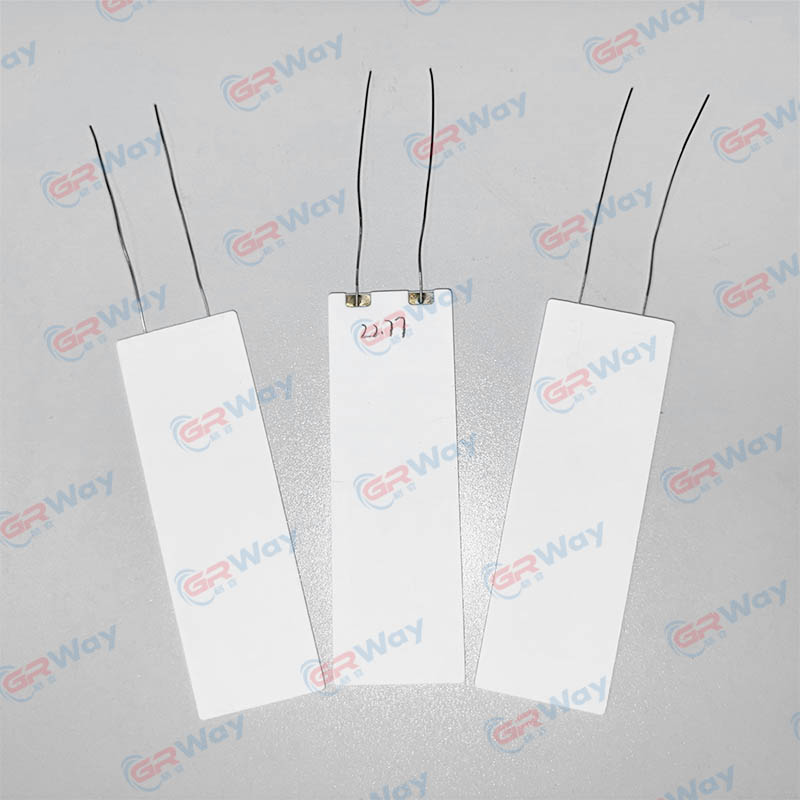
Many buyers do not start by looking for a specific material. They start with a problem. A hair styling device may need faster recovery between cycles. A lab instrument may need a compact heater that reaches target temperature without consuming too much space. A protective thermal unit may require dependable heat distribution without causing damage to nearby parts. In each case, the pain point is different, but the underlying need is the same: controllable, efficient, and repeatable heat.
Traditional heating solutions often create friction in one or more of the following ways. Some take too long to heat up. Some lose temperature too quickly. Others create concentrated hot zones that affect performance or product safety. In many compact devices, a bulky heater also becomes a design problem because it limits how the rest of the system can be built.
- Slow startup that reduces productivity
- Uneven surface temperature that affects product quality
- Poor insulation that raises safety concerns
- Large component size that restricts compact design
- Frequent replacement that increases maintenance cost
This is exactly why Ceramic Heating Plates continue to attract attention from engineers and sourcing managers who need a more balanced heating solution.
What Makes Ceramic Heating Plates Different?
Ceramic Heating Plates are heating elements built around a ceramic substrate that supports and protects the internal heating circuit. This structure is valued because ceramic combines electrical insulation with excellent thermal behavior. It allows the heating element to respond quickly while also supporting stable operation under demanding conditions.
In practical terms, this means a heater can be compact without feeling weak, and powerful without becoming uncontrolled. Ceramic as a base material helps improve surface temperature uniformity and supports reliable thermal transfer. For buyers, the key point is not just that the plate gets hot. It is that it can deliver useful heat in a controlled way that fits modern product requirements.
Another important difference is design flexibility. Ceramic Heating Plates can often be adapted in size, shape, power, and layout, which makes them suitable for custom devices rather than only standard catalog products.
Which Advantages Matter Most in Real Use?
The real value of Ceramic Heating Plates becomes clear when you look at actual operating demands. Buyers usually care less about technical wording and more about whether a heater solves the problem they are dealing with today. The table below turns performance advantages into practical buyer value.
| Feature | What It Means for the User |
|---|---|
| Fast thermal response | Shorter warm-up time and quicker process readiness |
| Compact structure | More freedom in product design and integration |
| Uniform heat distribution | Better consistency and fewer performance fluctuations |
| High insulation performance | Improved electrical safety in demanding environments |
| Customizable layout | Better fit for application-specific requirements |
| Stable long-term heating | Lower downtime and more dependable service life |
For many customers, the biggest advantage is that Ceramic Heating Plates do not force a trade-off between size and performance. They can fit into compact systems while still delivering the kind of response and consistency that demanding applications require.
Where Are Ceramic Heating Plates Commonly Used?
One reason Ceramic Heating Plates are so widely discussed is their versatility. They are not limited to one market. Their combination of compactness, insulation, and fast heating makes them suitable across different industries where thermal control directly affects product performance.
- Hair styling and personal care devices
- Laboratory and research heating tools
- Thermal protection systems and fuse-related applications
- Industrial devices requiring compact internal heating
- Customized assemblies for electronic and specialty equipment
In these settings, users are often dealing with space limits, reliability expectations, and repeat heating cycles. Ceramic Heating Plates provide a useful answer because they can be engineered for high performance while staying adaptable to product-specific requirements.
How Should You Select the Right Ceramic Heating Plates?
Not every Ceramic Heating Plate is the same, and choosing only by price can create expensive problems later. A good selection process starts with application fit. Before requesting a quotation, buyers should clarify the operating target of the heater and the conditions in which it will run.
- Required temperature range
- Heating speed expectations
- Plate size and thickness limits
- Power and voltage requirements
- Mounting method and contact structure
- Operating cycle frequency
- Environmental and insulation considerations
- Need for custom drawings or samples
It is also wise to discuss real usage conditions with the supplier. A plate that performs well in a simple test environment may behave differently once installed inside a final device. Good technical communication can help avoid mismatched specifications, overdesign, or underperformance.
How Do Ceramic Heating Plates Compare with Common Alternatives?
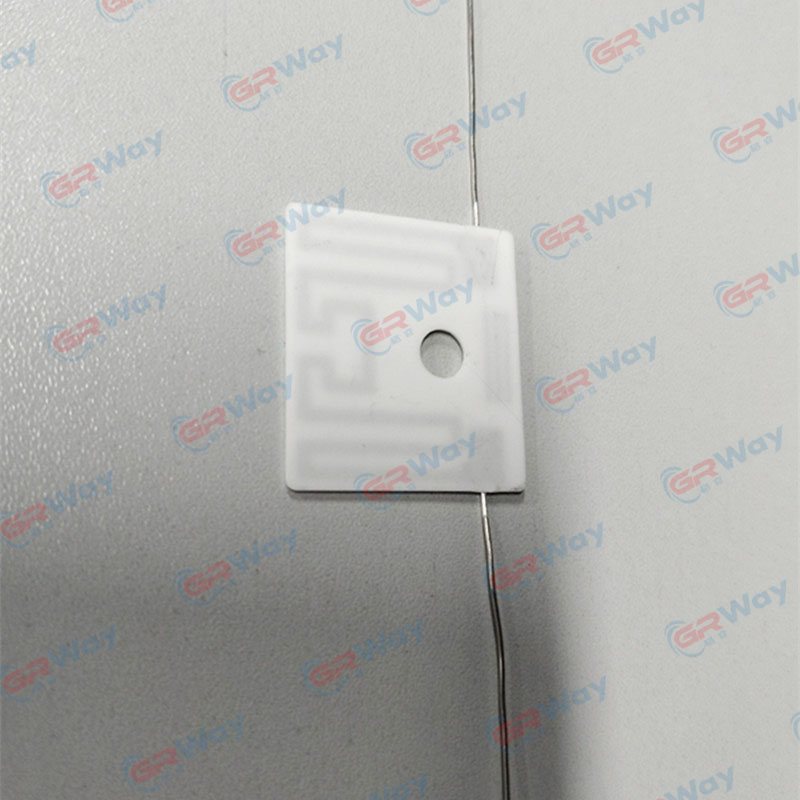
Buyers often compare options based on initial cost alone, but that approach can miss the bigger picture. A heating component should be judged by how it affects efficiency, control, maintenance, product design, and end-user experience. Ceramic Heating Plates are often preferred when consistency and compact performance matter more than simply finding the cheapest part.
| Evaluation Point | Ceramic Heating Plates | Common Basic Heating Solutions |
|---|---|---|
| Response speed | Typically faster and more efficient | Often slower to reach working temperature |
| Design flexibility | Strong potential for customization | Usually more limited |
| Temperature consistency | More suitable for stable output | Hot spots are more likely |
| Space efficiency | Well suited for compact assemblies | Can require more installation space |
This comparison helps explain why Ceramic Heating Plates are often selected for products where performance quality influences market competitiveness.
Why Does Supplier Capability Matter So Much?
Even a well-designed component can underperform if the supplier lacks process control, application understanding, or communication discipline. That is why experienced manufacturing support matters. Buyers should not only ask what a supplier sells, but also how that supplier helps reduce risk before production begins.
Xiamen Green Way Electronic Technology Co. Ltd serves customers looking for ceramic heating solutions with practical manufacturing support, customization options, and application-oriented cooperation. For buyers developing specialized products, this kind of support can make a meaningful difference. It helps move the conversation beyond basic catalog supply and toward a solution that truly fits the final device.
A strong supplier relationship is especially valuable when you need drawing-based development, performance alignment, or repeat orders with consistent quality expectations. In those cases, buying a Ceramic Heating Plate is not just a transaction. It is part of a longer-term product reliability strategy.
FAQ
Can Ceramic Heating Plates be customized for different products?
Yes. They can often be adjusted in dimensions, electrical specifications, and structural layout to better match the needs of specific devices or systems.
Are Ceramic Heating Plates suitable for compact devices?
Yes. Their compact structure is one of their strongest advantages, especially in devices where internal space is limited but stable heating is still required.
Why do buyers choose Ceramic Heating Plates instead of lower-cost options?
Because the total value often comes from faster response, better thermal consistency, stronger insulation, and fewer long-term performance issues.
What should I prepare before asking for a quotation?
It helps to provide target temperature, voltage, power, available installation space, application type, and any drawings or sample requirements.
Can Ceramic Heating Plates be used in professional and industrial settings?
Yes. They are widely suited to professional equipment, research tools, electronic assemblies, and other applications where controlled heat is important.
Conclusion
Ceramic Heating Plates continue to stand out because they address real customer pain points instead of offering heat in the simplest possible form. They help solve slow startup, uneven temperature, poor space efficiency, and reliability concerns in one practical solution. For buyers who care about product performance, user experience, and long-term consistency, they are a compelling option worth serious consideration.
If you are evaluating Ceramic Heating Plates for a current project or planning a custom heating solution for a new product, this is the right time to move from comparison to action. Reach out to Xiamen Green Way Electronic Technology Co. Ltd to discuss your specifications, explore suitable options, and contact us for tailored support that helps turn your heating requirements into a dependable final solution.
Send Inquiry





X
We use cookies to offer you a better browsing experience, analyze site traffic and personalize content. By using this site, you agree to our use of cookies.
Privacy Policy