


How Can a Versatile Porous Ceramic Atomizing Wick Transform Modern Atomization Technology
The Versatile Porous Ceramic Atomizing Wick is rapidly becoming a cornerstone technology in modern atomization systems. From electronic devices to industrial humidification and medical applications, its ability to deliver consistent liquid transport and ultra-fine mist production makes it highly valuable. In this comprehensive guide, we explore how porous ceramic atomizing wicks work, their advantages over traditional materials, key applications, and how companies like GRWAY are advancing innovation in this field.
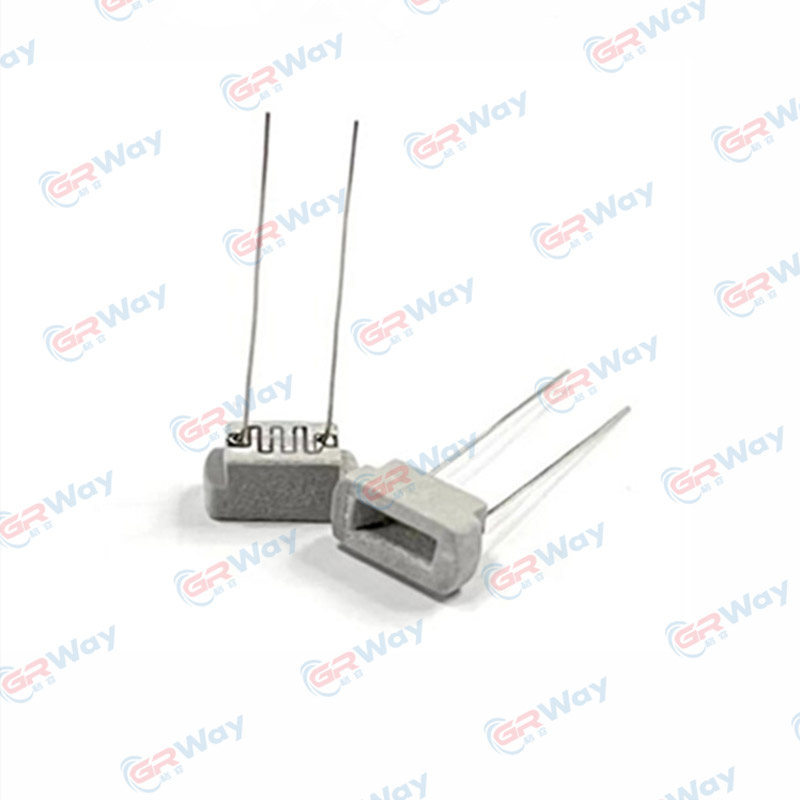
Table of Contents
- What Is a Versatile Porous Ceramic Atomizing Wick?
- How Does It Work?
- Key Features and Benefits
- Comparison with Traditional Wick Materials
- Main Applications
- Manufacturing Process
- How to Choose the Right Wick
- Future Trends
- FAQ
What Is a Versatile Porous Ceramic Atomizing Wick?
A versatile porous ceramic atomizing wick is a specialized component made from sintered ceramic materials designed to absorb, transport, and atomize liquids efficiently. Unlike conventional cotton or fiber wicks, ceramic wicks feature a highly controlled porous structure that enables precise fluid movement and stable performance.
These wicks are widely used in atomization systems where consistent liquid delivery and fine mist generation are critical. Their durability, chemical resistance, and thermal stability make them suitable for demanding environments.
How Does It Work?
The working principle of a porous ceramic atomizing wick is based on capillary action and controlled porosity.
- Liquid Absorption: The porous structure absorbs liquid efficiently.
- Capillary Transport: Micro-pores pull liquid upward without external force.
- Atomization: The liquid reaches a heating or vibration zone and forms fine droplets.
This mechanism ensures a continuous and stable supply of liquid, which is essential for consistent atomization performance.
Key Features and Benefits
| Feature | Description | Benefit |
|---|---|---|
| Uniform Porosity | Precisely controlled pore size distribution | Stable liquid flow and consistent mist output |
| High Temperature Resistance | Can withstand extreme heat | Long lifespan and safe operation |
| Chemical Stability | Resistant to corrosion and chemical reactions | Suitable for diverse liquids |
| Durability | Strong ceramic structure | Reduced maintenance and replacement cost |
| Eco-Friendly | Non-toxic material | Safe for medical and consumer applications |
Comparison with Traditional Wick Materials
| Property | Ceramic Wick | Cotton Wick | Fiber Wick |
|---|---|---|---|
| Durability | High | Low | Medium |
| Heat Resistance | Excellent | Poor | Moderate |
| Consistency | Stable | Variable | Moderate |
| Maintenance | Low | High | Medium |
As seen above, porous ceramic atomizing wicks outperform traditional materials in nearly every aspect, making them the preferred choice for high-performance applications.
Main Applications
The versatility of ceramic atomizing wicks allows them to be used across multiple industries:
- Electronic Atomizers: Provides stable vaporization in modern devices.
- Humidifiers: Ensures fine mist distribution for better air quality.
- Medical Devices: Enables precise drug delivery systems.
- Fragrance Diffusers: Offers consistent aroma dispersion.
- Industrial Spraying Systems: Improves efficiency and reduces waste.
Companies like GRWAY are leveraging these applications to deliver cutting-edge atomization solutions across global markets.
Manufacturing Process
The production of a porous ceramic atomizing wick involves several precise steps:
- Material Selection: High-purity ceramic powders are chosen.
- Molding: The material is shaped into the desired form.
- Sintering: High-temperature treatment creates the porous structure.
- Quality Control: Each wick is tested for porosity and performance.
Advanced manufacturers like GRWAY utilize state-of-the-art sintering technology to ensure uniform pore distribution and superior product consistency.
How to Choose the Right Wick
When selecting a porous ceramic atomizing wick, consider the following factors:
- Pore Size: Determines liquid flow rate
- Material Composition: Affects durability and compatibility
- Shape and Size: Must match device design
- Application Requirements: Different industries require different specifications
Choosing a reliable supplier such as GRWAY ensures consistent quality and tailored solutions for your specific needs.
Future Trends
The future of atomization technology is closely tied to advancements in porous ceramic materials. Key trends include:
- Enhanced nano-porosity for ultra-fine atomization
- Integration with smart devices and IoT systems
- Eco-friendly and sustainable material development
- Customization for specialized industrial applications
With continuous innovation, companies like GRWAY are expected to lead the development of next-generation atomizing solutions.
FAQ
1. What makes porous ceramic wicks better than cotton?
Porous ceramic wicks offer superior durability, heat resistance, and consistent performance compared to cotton, which can degrade quickly.
2. Are ceramic atomizing wicks safe?
Yes, they are made from non-toxic materials and are widely used in consumer and medical devices.
3. Can they be customized?
Absolutely. Manufacturers like GRWAY provide customization options for pore size, shape, and material composition.
4. How long do they last?
Due to their robust structure, ceramic wicks typically last significantly longer than traditional alternatives.
5. What industries benefit the most?
Industries such as electronics, healthcare, and environmental systems benefit greatly from this technology.
Conclusion
The Versatile Porous Ceramic Atomizing Wick is revolutionizing atomization technology with its superior performance, durability, and adaptability. Whether used in consumer electronics or industrial systems, it delivers unmatched efficiency and reliability.
If you are looking for high-quality atomizing solutions backed by innovation and expertise, GRWAY is your trusted partner. Contact us today to discover how our advanced porous ceramic technologies can elevate your products and applications.
Send Inquiry





X
We use cookies to offer you a better browsing experience, analyze site traffic and personalize content. By using this site, you agree to our use of cookies.
Privacy Policy