


Choosing a heating component involves more than defining a target temperature. Ceramic Heating Plates need to be evaluated in relation to thermal response, substrate properties, electrical requirements, mounting conditions, and the environment in which the finished equipment will operate.
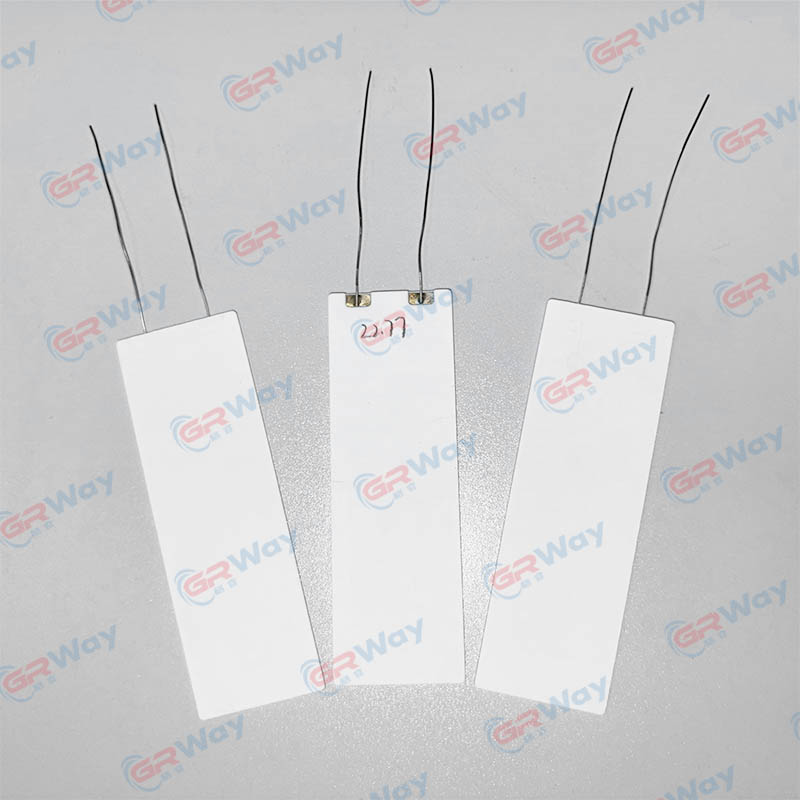
Ceramic-based heating components are used in compact appliances, industrial tools, laboratory equipment, and other systems that require controlled heat within a limited space. Their performance depends on the ceramic material, embedded resistance element, dimensions, power input, heat-transfer path, and temperature-control strategy. A sound selection process begins with the equipment's actual operating conditions and continues through electrical design, mechanical integration, thermal testing, and service-life evaluation.
Table of Contents
Choose a section to jump directly to the engineering considerations most relevant to your application.
- Understanding the Heating Requirements
- How Ceramic Heating Components Work
- Materials and Thermal Properties
- Dimensions, Geometry, and Contact Area
- Performance Parameters to Review
- Applications Across Different Industries
- A Practical Selection Checklist
- Installation and Temperature Control
- Common Design and Integration Mistakes
- Testing, Maintenance, and Service Life
- Frequently Asked Questions
1. Start With the Actual Heating Requirements
Before choosing a heating element, define the thermal task it must perform. A component designed to warm a small metal tool may face very different requirements from one used to heat water, maintain a laboratory temperature, or warm a broad surface. The intended application determines the necessary heating area, power input, temperature range, response time, and mechanical arrangement.
It is useful to distinguish between the temperature of the heating element and the temperature required at the working surface. These values may differ substantially because heat must pass through contact interfaces, housings, liquids, air gaps, or other materials before reaching the target.
Define the operating profile
Describe how the equipment will be used during a normal operating cycle. Continuous operation, repeated short heating cycles, intermittent activation, and frequent cold starts place different demands on the element and its surrounding structure. The expected ambient temperature and available cooling also influence the final operating condition.
- Target temperature: Identify the required temperature at the workpiece, fluid, or contact surface rather than relying only on the heater's rated maximum.
- Warm-up requirement: Establish how quickly the system must reach its operating range from a cold start.
- Duty cycle: Record the duration and frequency of heating periods, including pauses between cycles.
- Heat load: Consider the mass of the heated object, heat losses, and any incoming material that must be warmed.
- Physical limitations: Define the available installation space, permissible weight, electrical supply, and mounting arrangement.
These requirements provide a practical foundation for comparing designs. Without them, a high maximum temperature or a high wattage rating alone cannot establish whether a heating component is appropriate for the application.
How Ceramic Heating Components Work
A typical ceramic heating assembly combines an electrically resistive element with a ceramic body or substrate. When electrical current passes through the resistive material, electrical energy is converted into heat. The resulting heat travels through the component and into the surrounding structure or intended target.
The actual construction varies by design. Some products use a printed resistance pattern integrated with a ceramic substrate, while other ceramic heater architectures use different resistance materials or element arrangements. The material combination, manufacturing process, and intended operating conditions must be confirmed for the particular model.
The resistance element generates heat
The resistive element is central to the heating function. Its electrical resistance, geometry, and connection arrangement influence how heat is generated and distributed. Local differences in the resistance pattern can create temperature variation across the active surface, so the element layout matters as much as the overall power rating.
The ceramic structure supports the element
The ceramic substrate holds the resistive structure in its intended configuration and contributes to the component's thermal and electrical behavior. Alumina-based designs, for example, can combine useful thermal properties with electrical insulation. However, ceramic composition and construction vary among products, and the properties of one grade should not automatically be assigned to another.
Heat must travel to the target
Even when the element produces sufficient heat, poor thermal contact can slow the system's response or create uneven temperatures. The path from the heating element to the target includes the ceramic body, mounting interface, any intermediate layer, and the heated object itself.
For this reason, Ceramic Heating Plates should be considered as part of a complete thermal assembly. Surface contact, clamping pressure where applicable, surrounding insulation, and heat dissipation from adjacent parts all influence the system's actual performance.
3. Evaluate Materials and Their Thermal Properties
Material selection influences thermal conductivity, electrical insulation, mechanical strength, thermal expansion, and resistance to the intended operating environment. The correct choice depends on the balance of properties required by the application rather than a single headline specification.
Alumina ceramic
Alumina, or aluminum oxide, is used in many ceramic heating components. The exact alumina content and formulation vary by grade. Some available micro-heater designs specify a 95% alumina ceramic body, illustrating why material composition should be checked against the relevant product specification rather than assumed across every heater.
For an alumina-based component, important considerations include thermal conductivity, mechanical condition, thermal expansion, dimensional consistency, and electrical insulation under the intended conditions. These characteristics affect both heating behavior and integration into the finished assembly.
Resistance material and substrate construction
The resistance element and the ceramic substrate perform different functions. A product page may identify tungsten or a molybdenum-manganese-based conductive paste in a particular manufacturing process, but that information does not establish that every ceramic heater uses the same conductor or construction method.
When evaluating a design, confirm the resistance material, substrate composition, connection method, and manufacturing arrangement with the specific model data. These details can affect the operating limits and compatibility of the element with its intended circuit and mechanical housing.
| Design Factor | Why It Matters | What to Verify |
|---|---|---|
| Ceramic composition | Influences thermal behavior, insulation, and mechanical characteristics. | Material grade, composition, and applicable technical data. |
| Resistance element | Affects electrical resistance, heat generation, and temperature distribution. | Element material, rated voltage, resistance, and connection details. |
| Thermal conductivity | Influences how heat moves through the substrate and toward the target. | Specified value, measurement conditions, and the full thermal path. |
| Thermal expansion | Can affect fit, contact pressure, and stress during temperature changes. | Expansion characteristics of the ceramic and adjacent components. |
| Operating environment | Determines whether the selected materials are suitable for use conditions. | Ambient conditions, contaminants, moisture exposure, and thermal limits. |
| Mechanical geometry | Influences mounting, contact area, and resistance to installation stress. | Dimensions, tolerances, flatness, and the specified mounting method. |
Material data should always be interpreted as a set of related properties. A ceramic with useful thermal conductivity may still require careful mechanical support, while excellent electrical insulation does not eliminate the need for appropriate circuit protection and assembly-level testing.
4. Match Dimensions and Geometry to the Equipment
The shape of a heating component determines how it fits within the product and how its active area contacts the intended target. Plate, ring, disc, square, and rectangular geometries may be available in particular product families, but available dimensions and forms must be verified for the model under consideration.
Active area and heat distribution
A larger plate may spread heat over a broader region, but a larger surface does not automatically guarantee uniform temperature. The location of the resistance element, the mounting arrangement, and local heat losses can create hot and cool zones even when the external dimensions appear suitable.
Identify which area needs to be heated and where the thermal load will be concentrated. If the target has an uneven shape or makes contact at only a few points, evaluate the resulting temperature profile rather than treating the full plate as an equally active surface.
Thickness, clearances, and mounting points
Thickness affects the component's packaging, thermal mass, and heat-transfer path. A mounting arrangement must accommodate the ceramic body's dimensions and the expansion of surrounding materials during operation. Tight clearances can create assembly problems, while excessive gaps can reduce thermal contact where direct conduction is required.
Dimensions and tolerances should be documented before the surrounding housing or assembly is finalized. A dimensional drawing, when available, is particularly useful for checking mounting holes, contact surfaces, connection locations, and the available space for electrical insulation.
Confirm mechanical compatibility
Ceramic materials can be strong under suitable loading conditions but may be vulnerable to concentrated stress, impact, or uneven clamping. Support surfaces should therefore match the intended mounting method. Avoid assuming that a component can tolerate bending or installation loads simply because it performs well at elevated temperatures.
Performance Parameters to Review
Product specifications become useful when they are compared with the requirements established for the equipment. Several parameters should be reviewed together because each describes a different aspect of performance.
Operating temperature and maximum temperature
Regular operating temperature and maximum operating temperature are not interchangeable. A component may have a stated upper limit that is not intended to represent its continuous working condition in every installation. Heat sinking, ambient temperature, mounting, power input, and thermal load can affect the temperature that is achievable in practice.
For example, some published micro-heater specifications identify a regular operating temperature of 200°C and a maximum operating temperature of 500°C. These values describe a particular product specification and must not be treated as universal ratings for every ceramic heater.
Warm-up time and thermal response
Warm-up time depends on the heater's thermal mass, available power, contact conditions, heat losses, and the mass of the target. A rapid response may be important in equipment that operates in short cycles, while a system designed to maintain a steady temperature may place greater emphasis on stability and heat distribution.
Rated voltage, power, and resistance
Electrical parameters must match the intended power supply and control circuit. Rated voltage and power should be reviewed together with element resistance, wiring, connectors, and protection devices. A component should not be selected solely because its power rating appears high enough without checking the rest of the electrical design.
Insulation and temperature uniformity
Electrical insulation must remain appropriate under the expected temperature and environmental conditions. At the same time, surface temperature distribution must be suitable for the application. A heater that reaches the required average temperature may still be unsuitable if localized hot spots damage a workpiece or if cooler areas prevent the process from reaching its target.
| Parameter | Question to Ask | Practical Evaluation |
|---|---|---|
| Rated voltage | Does it match the supply and control architecture? | Check the supply range, switching method, and connections. |
| Rated power | Can the system meet the heating load? | Evaluate warm-up, heat loss, and steady operation. |
| Operating temperature | Can the required temperature be maintained under real conditions? | Test in the intended housing and thermal environment. |
| Temperature uniformity | Is the temperature profile suitable across the active area? | Measure multiple representative surface locations. |
| Electrical insulation | Does the assembly meet the necessary electrical safety requirements? | Assess the finished assembly using applicable test procedures. |
| Duty cycle | Can the component handle the intended heating pattern? | Validate repeated start-up, operation, and cooling cycles. |
6. Applications Across Different Industries
Ceramic-based heaters are used in a variety of equipment, from small consumer appliances to industrial and laboratory systems. The correct configuration depends on the thermal task, environmental conditions, contact arrangement, and electrical requirements of each application.
Small household and personal-care appliances
Hair-styling appliances, compact water-heating devices, irons, and similar products need heating components that fit into restricted spaces. Warm-up time, surface temperature, insulation, and contact with surrounding parts are important design considerations. The finished appliance also needs suitable temperature regulation and protective measures for its intended use.
Industrial tools and processing equipment
Industrial heaters may serve soldering tools, sealing equipment, specialized heating assemblies, or other processes requiring localized thermal input. The required operating cycle and target temperature differ by application. Engineers should therefore evaluate the component in the actual tool geometry rather than relying only on a general description of its intended use.
Laboratory and analytical equipment
Compact heating assemblies can be useful in instruments where space is limited and repeatable thermal conditions are important. Laboratory applications may require attention to temperature stability, local uniformity, chemical compatibility, and interactions between the heater and adjacent sensors or precision components.
Medical and other specialized equipment
Some temperature-controlled devices use compact heating components to warm fluids, surfaces, or internal assemblies. Such applications require a careful assessment of the complete device design, including permissible temperature variation, electrical isolation, materials compatibility, and applicable regulatory requirements. A generic heater specification alone does not establish suitability for a regulated application.
- Appliances: Focus on compact construction, repeatable heating, and integration with the appliance's protective controls.
- Industrial tools: Focus on duty cycle, target temperature, resistance to the operating environment, and mounting stability.
- Laboratory instruments: Focus on temperature measurement, repeatability, and interaction with nearby sensitive components.
- Specialized equipment: Focus on application-specific validation, traceable requirements, and relevant safety obligations.
Where a heating system needs localized heat in a compact format, Ceramic Heating Plates may be worth evaluating alongside other heating technologies. The final decision should depend on verified specifications and performance in the intended assembly, not on an application list alone.
7. A Practical Selection Checklist
A structured selection process helps engineers avoid mismatches between the heating element and the equipment. The following sequence can be used during early design reviews and when comparing candidate components.
- Document the thermal target. Define the temperature required at the working surface, the allowable variation, and the time available for warm-up.
- Estimate the heat load. Account for the target's mass, heat losses to the surroundings, contact conditions, and changes in the material being heated.
- Confirm the physical envelope. Record the available length, width, thickness, mounting points, connector locations, and clearance requirements.
- Match the electrical design. Verify supply voltage, power, resistance, connection arrangement, switching, and necessary circuit protection.
- Review the material data. Check the ceramic grade, thermal properties, insulation requirements, and compatibility with the operating environment.
- Define the duty cycle. Specify heating duration, frequency, cooling periods, and expected changes in ambient conditions.
- Plan temperature measurement. Identify where temperature should be measured and how the sensor reading relates to the temperature of the target.
- Validate the complete assembly. Test the heating component with the intended housing, mounting method, target material, and control strategy.
For product comparison, use a common set of operating conditions. Two heaters should not be considered equivalent simply because they share similar dimensions or advertised maximum temperatures. Their electrical configuration, thermal response, and installation requirements may differ.
Installation and Temperature Control
Correct installation is an essential part of heating performance. Even a suitable component can produce inconsistent results if its mounting surface, electrical connections, sensor position, or heat-transfer path differs from the intended design.
Provide appropriate mechanical support
The mounting arrangement should support the ceramic body without creating unintended concentrated loads. Check the flatness of contact surfaces, the position of fasteners, and the dimensional relationship between the heater and surrounding housing. If the design depends on direct thermal contact, confirm that the interface is consistent with the manufacturer's installation guidance.
Consider thermal expansion
Heating and cooling cause dimensional changes in the ceramic component and adjacent materials. Differences in thermal expansion may affect fit or create stress at the interface. The mechanical arrangement should account for these changes throughout the intended operating range, including repeated heating and cooling.
Design the control strategy around the target
A temperature controller, sensor, switching device, and protective circuit should be selected according to the required level of regulation and the hazards associated with the equipment. Sensor placement is particularly important: a sensor close to the heating element may respond differently from one measuring the actual workpiece or heated fluid.
Do not assume that a ceramic component automatically maintains a safe or constant temperature. Unless the specific design documentation establishes otherwise, treat temperature control and overtemperature protection as system-level engineering requirements.
Verify electrical and environmental protection
Electrical connections, insulation distances, cable ratings, enclosures, and protective devices should be suitable for the intended voltage, temperature, and surroundings. Moisture, conductive contamination, vibration, and exposure to process materials may introduce additional requirements. The finished assembly should be assessed under the conditions it is designed to encounter.
During system integration, Ceramic Heating Plates should be evaluated with the actual sensor position, mounting arrangement, and thermal load. This gives a more meaningful view of performance than testing the component in isolation.
9. Common Design and Integration Mistakes
Many heating problems come from a mismatch between the product specification and its installed operating conditions. Reviewing frequent design mistakes early can help prevent performance issues during assembly and testing.
Selecting by maximum temperature alone
A maximum temperature rating does not describe warm-up behavior, temperature stability, or how much heat reaches the target. Review the operating range and test conditions alongside power, geometry, and heat-transfer requirements.
Ignoring contact resistance
Small gaps or uneven contact can limit heat transfer and lead to localized temperature differences. Review the mounting interface and the target surface, particularly where the assembly relies on conduction rather than convection or radiation.
Using an unsuitable control sensor location
A sensor may indicate an acceptable temperature while the working surface remains too cool or a local region becomes too hot. Determine which temperature is critical to the process, then position and validate the sensor accordingly.
Overlooking the effect of ambient conditions
Changes in airflow, enclosure temperature, cooling, or heat load can alter the operating point. Performance observed in an open test arrangement may not represent performance inside a finished machine.
Assuming all ceramic grades behave the same way
Material composition, element design, manufacturing process, dimensions, and connection arrangement vary by model. Use the applicable specification rather than transferring data from a superficially similar product.
- Confirm the distinction between target temperature and heater temperature.
- Check operating limits under the intended duty cycle.
- Review both electrical requirements and mechanical tolerances.
- Validate temperature distribution after final assembly.
- Document abnormal conditions and the required protective response.
10. Testing, Maintenance, and Service Life
Testing should determine whether the heating system meets its requirements in the configuration where it will actually be used. The evaluation may include warm-up time, steady-state temperature, temperature distribution, electrical behavior, insulation performance, and repeated operating cycles.
Measure performance under realistic conditions
Use the intended supply, target material, mounting arrangement, enclosure, and control settings. Record the initial conditions and measure temperature at the locations that matter to the process. Where temperature uniformity is important, a single measurement point may be insufficient to identify local hot spots or cool areas.
Evaluate repeated operating cycles
Repeated heating and cooling can reveal changes that may not appear during a short demonstration. Depending on the application, evaluation may include repeated starts, steady operation, shutdown, and cooling. Any cycle test should reflect the stated requirements and the specific product's permitted operating conditions.
Inspect the surrounding assembly
Maintenance should account for the heater, its connections, mounting structure, sensor, and control equipment. Inspection procedures depend on the device and its operating environment, but may include checking visible damage, loose connections, contamination, changes in thermal contact, and evidence of abnormal overheating.
Maintenance intervals should follow the equipment's risk assessment and the relevant product guidance. If temperature response changes, investigate the complete thermal system rather than assuming the heating component alone is responsible.
Performance should ultimately be judged by verified operating data. A design that heats quickly in a laboratory setup may behave differently after installation, while a system that reaches its target temperature may still require improvements in uniformity, control response, or mechanical reliability.
11. Frequently Asked Questions
What information is needed to select a ceramic heating component?
Start with the target temperature, warm-up requirement, heat load, available installation space, supply voltage, power requirement, and duty cycle. Also define the operating environment, mounting method, temperature-control approach, and any application-specific safety requirements. These details allow product specifications to be compared against actual operating needs.
Does a higher maximum temperature mean better heating performance?
Not necessarily. Maximum operating temperature is only one specification. Warm-up time, thermal conductivity, power, temperature distribution, contact conditions, and the permitted continuous operating range all affect suitability. A component should be evaluated against the required working conditions rather than ranked by maximum temperature alone.
Why can the temperature of a heater differ from the target temperature?
Heat must travel from the resistive element through the ceramic structure and any mounting interfaces before reaching the target. Heat losses, contact resistance, target mass, airflow, and control-sensor location can all contribute to a difference between heater temperature and process temperature.
How important is ceramic material composition?
Material composition influences thermal conductivity, insulation, expansion, and mechanical characteristics. Different ceramic grades should not be treated as interchangeable. Check the exact material designation and its technical data, then evaluate it alongside the resistance element and the intended operating environment.
Can a ceramic heater operate without a temperature controller?
That depends on the specific heater architecture and the requirements of the finished device. Some designs may have particular temperature-dependent behavior, but this should not be assumed for a general ceramic heating component. The need for control, sensing, and overtemperature protection must be established by the product documentation, system design, and applicable safety requirements.
What should be checked before installing a ceramic heating plate?
Verify the dimensions, mounting arrangement, contact surfaces, electrical connections, rated operating conditions, insulation requirements, and sensor position. Confirm that the surrounding materials can tolerate the expected temperatures and expansion. The completed assembly should then be tested under realistic operating conditions.
How can temperature uniformity be evaluated?
Measure temperatures at several representative locations across the active area and, where relevant, on the target itself. Perform the measurements under repeatable conditions after accounting for warm-up and stabilization. The acceptable variation depends on the process, so evaluation limits should be defined before testing.
What determines the service life of a ceramic heating component?
Service life depends on the component design, materials, operating temperature, duty cycle, electrical conditions, mounting stress, environmental exposure, and quality of system integration. Relevant cycling or endurance tests should reflect the intended operating profile. No single service-life value should be assumed for every model or application.
Final Engineering Considerations
Reliable heater selection requires the electrical, thermal, and mechanical requirements to be considered together. Material composition establishes part of the component's behavior, while element design, dimensions, mounting conditions, and temperature control determine how it performs after installation.
For industrial equipment, the most useful specification is one that clearly connects product characteristics with the intended operating conditions. Confirm the rated limits, review the installation requirements, and evaluate the finished system through repeatable testing before finalizing the design.
In practical terms, Ceramic Heating Plates should be evaluated as one part of a complete heating system. Their suitability depends on measured performance, documented material properties, and compatibility with the equipment in which they will be installed.
For product details and company information, visit GREENWAY® to learn more about the manufacturer and its heating technology range.
Discuss Your Heating Application
Share your required temperature range, component dimensions, electrical conditions, duty cycle, and installation constraints to help clarify the technical requirements for your application.
Contact Us